When someone you care about is charged with a crime, the last thing you want is for them to stay in custody. Bail lets them leave jail while their case moves through court, giving them a chance to prepare their defense from home. This isn’t just a legal process; it’s a deeply emotional one, full of stress and worry. That’s why we’ve put together this comprehensive guide. We’ll walk you and your family through exactly how the bail system works across Florida, so you’ll know what to expect and can act fast. You’ll get a clear timeline from arrest and booking to bail setting and posting, learn the release choices available under Florida bail process, see how bail bonds Florida costs are calculated (including the state’s 10% rule and minimums), and find step‑by‑step instructions for getting someone out of a Florida jail. Many families face tight deadlines, confusing forms, and endless questions about payment or alternatives. This article cuts through the confusion, offering plain guidance, practical examples, comparison charts, and checklists to remove doubt and bring you some much-needed relief. We’ll cover the full Florida bail process, types of bonds and release options, a numeric cost breakdown, a walkthrough for securing release, and a summary of defendants’ rights and how to pick a trustworthy local bondsman. We’re here to help you navigate this challenging time.
Contact a Florida Bail Bondsman Now
Need Immediate Help? We’re Here for You.
If you or a loved one needs to get out of jail fast anywhere in Florida, we know you’re feeling overwhelmed. A licensed bail bondsman is often the quickest solution, and we’re here to help. We offer 24/7 support to navigate the Florida bail process efficiently, so you don’t have to face it alone.
What Is the Bail Process in Florida? Let’s Break It Down.
In Florida, the bail process kicks off right after an arrest and booking. Think of it as a conditional release – it’s designed to make sure the defendant returns for court while keeping public safety in mind. The usual flow? It goes like this: arrest → booking → an initial or first appearance where bail and conditions are reviewed → posting bail or arranging a surety bond → and finally, release pending trial. Knowing this order really helps families collect the right information quickly and pick the best release option. For fast, after‑hours help, many families call 24-hour bail bonds services. Why? Because they advertise 24/7 availability, local court familiarity, and confidential, compassionate service to speed the process statewide. We understand the urgency; we’re here to guide you.
For a quick summary, Florida’s bail process looks like this:
- First, you’ll need to find the arresting agency and inmate. You can usually do this using county inmate lookup or jail intake records.
- Next, attend or monitor the defendant’s initial appearance where charges are reviewed and bail may be set.
- Then, you’ll either post full cash bail or contact a licensed bail bondsman to arrange a surety bond.
- After that, complete the required paperwork and supply payment or collateral so the jail can process the release.
- Finally, make absolutely sure the defendant understands their court dates and bond conditions to avoid forfeiture.
These steps show exactly when families should act and what documents to have ready. The next section explains what happens at arrest and booking so you can anticipate records and timelines – it’s a lot to take in, but we’ll make it clear.
24/7 Availability and Why Bail Bonds Are the Fastest Path to Release (When Every Second Counts)
When a loved one is arrested, time isn’t just of the essence – it feels like it’s slipping away. Jails operate 24/7, and thankfully, so do most licensed bail bond agencies across Florida. This round-the-clock availability is absolutely crucial because the sooner bail is posted, the sooner the release process can begin. While cash bail can also be fast if you have the funds immediately available, a bail bond offers several advantages that can bring you peace of mind:
- Immediate Financial Relief: You only pay a fraction (typically 10%) of the total bail amount upfront, rather than the full, daunting sum. Isn’t that a huge weight off your shoulders?
- Expert Navigation: Licensed bondsmen aren’t just agents; they’re guides. They’re intimately familiar with the specific procedures and paperwork of various county jails and courts throughout Florida, minimizing frustrating delays.
- Speedy Processing: Bondsmen can often post bail electronically or in person far more efficiently than individuals navigating the system for the first time. We know the ropes.
- Guidance and Support: They provide clear instructions on what to expect, what documents are needed, and what post-release obligations entail, reducing your stress during what’s already a crisis.
This combination of constant availability and specialized expertise truly makes using a bail bond agency the most reliable and often the fastest way to secure release from jail in Florida. We’re here to help you through it.
What Happens During Arrest and Booking in Florida? (The First, Stressful Steps)
Arrest and booking in Florida follow a standard intake routine, and it can feel incredibly overwhelming. First, the arresting officer writes a report. Then, the person is taken to the county intake facility, where booking includes photographs, fingerprints, and charging documents. These booking records list alleged offenses, personal details, and any outstanding warrants—and those records directly affect when the initial hearing is set and what bail is recommended. Processing can take several hours, and sometimes even longer if a magistrate must review the case. Knowing the arresting agency, booking number, and exact charge descriptions speeds up conversations with jail staff or a bondsman and helps you locate the inmate in the Florida county system. It’s a lot to keep track of, but having this information ready can make a real difference.
Understanding booking sets the stage for how judges or magistrates decide bail and conditions at the initial hearing. It’s the first hurdle, and we’re here to help you clear it.
How Is Bail Set During the Bail Hearing Process? (Understanding the Judge’s Decision)

Judges don’t just pull numbers out of a hat when setting bail. They use their discretion, but it’s guided by statutory factors like the seriousness of the charges, any prior record, flight risk, and community ties. Public safety and victim impact can also heavily influence the decision. A judge or magistrate might order cash bail, require a surety bond, place conditions such as travel limits, or even release the defendant on recognizance (ROR) if the risk is low. For example, low‑level misdemeanors with no priors often lead to modest bail or ROR – a sigh of relief for many families. But violent felonies? Those usually mean higher bail or even detention. If bail is unaffordable, don’t despair! An attorney can request a bond reduction hearing or suggest alternatives such as supervised pretrial services. You’ve got options.
Knowing these factors helps explain why multiple release options exist, which we’ll compare next. It’s all about finding the right path for your situation.
What Types of Bail Bonds Are Available in Florida? (Finding Your Best Path to Release)
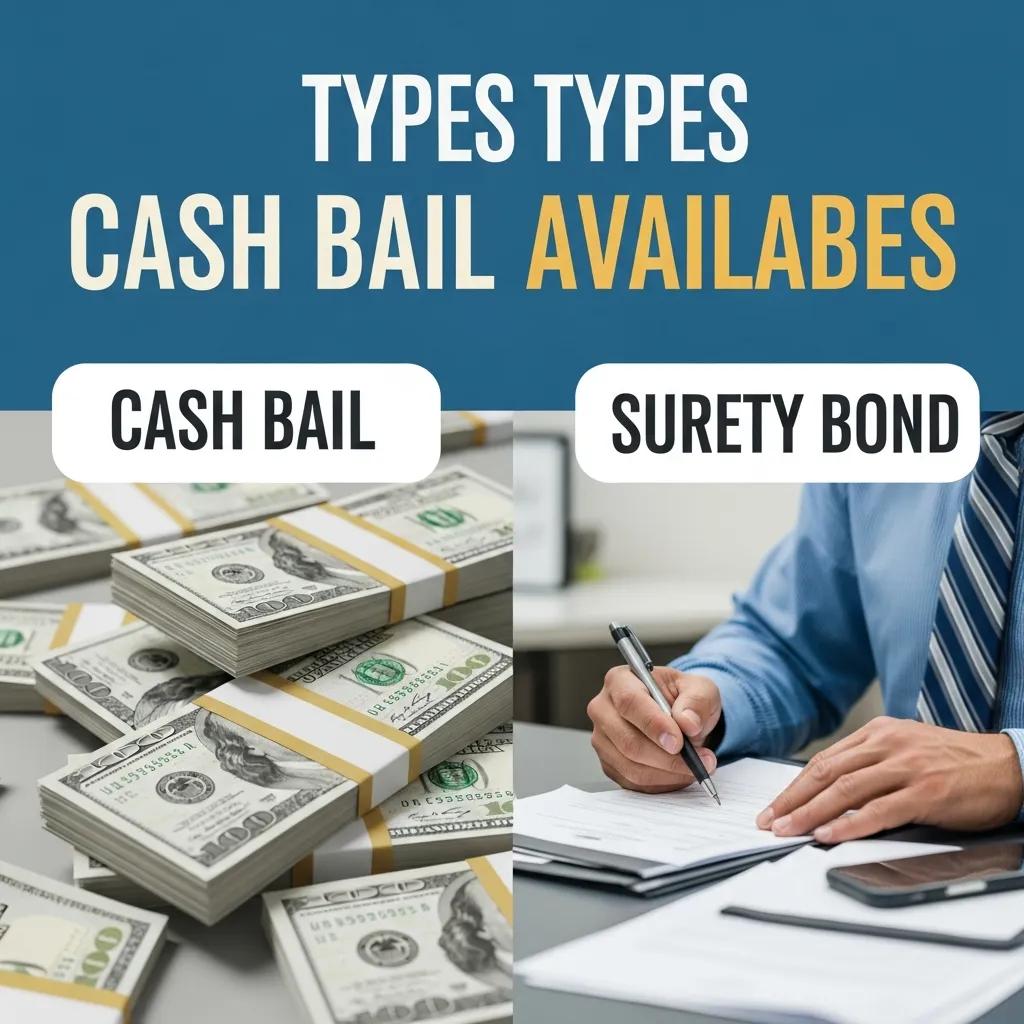
Florida offers several paths to release, and it’s important to understand each one: full cash bail, surety (bail) bonds posted by licensed agents, release on recognizance (ROR), and supervised pretrial services. Each one differs by cost, speed, and obligations. Cash bail means posting the total bail amount with the court, and it can be refundable at case close – a nice thought, but often a huge upfront cost. Surety bonds, on the other hand, require a premium to a licensed bondsman and often collateral; that premium isn’t refundable, but it’s a fraction of the total. ROR and pretrial programs avoid immediate payment but require eligibility and monitoring. The right option really depends on your available funds, the charge (is it a misdemeanor or a felony?), and whether the court accepts supervised release. As a statewide resource, A American Bail Bonds helps families understand these options and choose what balances speed and cost in Florida cases. We’re here to help you make the best decision.
To help you decide quickly, the table below compares common release options and their main attributes. It’s a lot to take in, but we’ve simplified it for you.
Different release options carry different costs and obligations:
This comparison highlights the trade‑offs between speed, cost, and obligations. The next sections will contrast cash bail and surety bonds, then cover ROR and pretrial services in more detail. We want you to feel confident in your choice.
How Do Cash Bail and Surety Bonds Differ? (The Role of Bail Bondsmen vs. Cash Bail – What’s Best for You?)
Let’s talk about the big difference. Cash bail means you’re paying the full bail amount directly to the court. They hold onto it, and if all conditions are met and the case ends, you might get it back—which sounds great, right? But it requires a huge amount of cash on hand, often tens of thousands of dollars. For most families, that’s just not possible. A surety bond, on the other hand, is where a licensed bail bond agent steps in. They post the bail for you, for a fee. In Florida, that premium is normally capped at 10% of the bail, and they might also ask for collateral or co‑signers. The key difference? That premium isn’t refundable. So, paying cash makes sense if you can easily afford the full amount and want the chance of a refund. But for most people, a surety bond is the practical choice when immediate full payment isn’t possible and getting your loved one out quickly is the top priority. The bail bondsman’s role is to act as a guarantor to the court, ensuring the defendant’s appearance, in exchange for that non-refundable fee. Think of it as an insurance policy for the court. Refund timing and administrative steps differ, so you’ll want to weigh your immediate financial needs against the total out-of-pocket cost. We’re here to help you figure out what makes the most sense for your family.
Those differences help explain when ROR or pretrial services might be better choices, which we’ll describe next.
What Are Other Release Options Like ROR and Pretrial Services? (Beyond Just Paying Bail)
Sometimes, you don’t even need to pay bail! Release on Recognizance (ROR) lets the court release someone without any payment when they believe the person is unlikely to flee and has solid community ties. Eligibility really depends on the charge’s seriousness and their criminal history. Then there are Pretrial Services, which offer supervised alternatives—things like regular check‑ins, electronic monitoring, or reporting—so defendants can avoid cash bail while the court still keeps an eye on them. Courts may attach conditions like travel limits or periodic reporting to a case manager; enrollment is decided at the initial hearing or by motion. These alternatives can remove the burden of bond costs but do add monitoring obligations you should absolutely understand before agreeing. It’s about finding the right balance for your situation.
Next, we’ll explain costs in detail, including Florida’s 10% rule and examples to help you calculate common scenarios. No more guessing games!
How Much Does a Bail Bond Cost in Florida? (A Clear Breakdown of Fees)
We know you’re worried about the cost, so let’s make it clear. In Florida, licensed bail bondsmen generally charge a premium equal to 10% of the court‑set bail amount as a non‑refundable fee. And for bonds under $1,000, there’s usually a $100 minimum. Other expenses or collateral might raise the out‑of‑pocket total, but that 10% is the core. This regulated setup means you can quickly estimate the bond premium with a simple calculation and compare it to posting full cash. Beyond the premium, expect possible processing fees, collateral requirements, or document charges; some bondsmen even offer payment plans or financing to spread the cost. For help tailored to Florida practices, A American Bail Bonds can explain fee rules and discuss flexible payment options. We want to make this as manageable as possible for you.
Below are common bail amounts and the typical bond fees under the 10% framework. This should give you a good idea of what to expect.
Use this table to estimate your immediate costs and compare them to posting full cash. Next, we’ll cover collateral and payment plan options, because we know every dollar counts.
What Is the Florida Bail Bond Fee Structure and 10 Percent Rule? (No Hidden Surprises)
Let’s demystify the “10% rule.” It simply means a licensed bondsman charges a non‑refundable premium equal to 10% of the court‑set bail amount. There’s also a statutory or customary minimum (commonly $100) applied to smaller bonds. So, the basic formula is: Bond Premium = Bail Amount × 0.10, subject to that minimum. For example, a $5,000 bail typically carries a $500 premium. This fee compensates the bondsman for taking on the financial responsibility if the defendant fails to appear, and it’s separate from any collateral or processing fees the agent may require. Knowing this makes it so much easier to compare posting cash versus using a surety bond and prepares you for any collateral or payment discussions. We believe in transparency, especially during stressful times.
The next section explains when collateral is commonly required and what payment plan options exist. We’ll help you understand all the angles.
When Is Collateral Required and What Payment Plans Are Offered? (Easing Your Financial Burden)
We know the thought of collateral can add another layer of worry. Bondsmen usually ask for collateral when the bail amount is really high, or if the defendant’s risk level exceeds what the premium and indemnitors can reasonably secure. Triggers often include very high bail amounts, a weak co‑signer profile, or serious charges. What kind of collateral? It often includes vehicle titles, real property deeds, or other valuable assets, which the bondsman documents with a lien or agreement to protect against forfeiture. It’s a serious step, but it’s there to protect everyone involved.
Payment plans vary by agent—some are flexible and take partial payments on an agreed schedule, while others require the full premium up front. Third‑party financing may also be available. If collateral or financing is needed, please, don’t hesitate to ask the bondsman to walk you through the lien process, release conditions, and how your collateral is returned once the case resolves. We want you to feel completely informed and comfortable.
With cost considerations covered, the next major section shows the exact steps to secure a release in Florida. You’re almost there!
How Do You Get Someone Out of Jail in Florida? (Your Step-by-Step Action Plan)
Getting someone released in Florida can feel like a daunting maze, but we’re here to give you a clear path. It means locating the inmate, confirming the bail amount, choosing how to post bail (cash, surety bond, or an alternative), completing paperwork, and coordinating pickup after the jail processes release. Timing varies—cash bail can lead to release within hours, which is wonderful if you have the funds. Surety bonds may take a bit longer because of paperwork and collateral checks—so act quickly! Have the defendant’s name, booking number, arresting agency, and charge details ready before you contact the jail or a bondsman. Many families call a licensed Florida bail bondsman (for example, A American Bail Bonds) to speed the process through an agent familiar with local procedures across the state. We’re here to be your guide.
Use this concise checklist to move quickly and efficiently:
- Collect inmate details: full legal name, booking number, and arrest location.
- Confirm the bail amount and check for any holds or detainers that could block release.
- Decide how to post bail: cash, licensed bondsman, or ask for ROR/pretrial services.
- Provide required ID, sign indemnity paperwork, and complete payment or collateral steps.
- Arrange pickup and verify all court dates and bond conditions.
This checklist covers the main actions; the table below pairs each step with who’s involved and typical timing so families know what to expect. We want to set realistic expectations for you.
This timeline helps set realistic expectations and shows how prompt, accurate information speeds the release process. Every minute counts, and we’re here to help you make the most of them.
What Are the Steps to Secure Release with a Licensed Florida Bail Bondsman? (Your Bondsman’s Role)
When you call a licensed bondsman, you’re taking a huge step towards relief. Start by providing the defendant’s full name, booking number, and the bail amount so the agent can prepare paperwork and calculate the premium. The agent will need ID from the indemnitor or co‑signer, explain the fee and any collateral terms clearly, and ask you to sign an indemnity agreement outlining your responsibilities if the defendant fails to appear. After you pay the premium and arrange collateral if required, the bondsman posts the bond with the court or jail and schedules pickup, keeping you updated on the estimated release time based on jail processing. Expect the bondsman to review court dates, bond conditions, and their role in ensuring compliance. We’re partners in this, and we’ll make sure you understand everything.
What Are Post-Release Obligations and Court Appearance Requirements? (Your Rights and Responsibilities)
Once released, the relief is immense, but the journey isn’t over. The defendant absolutely must follow all court orders: attend every scheduled hearing, obey travel restrictions, and meet any supervision conditions. Missing court risks bond forfeiture and an arrest warrant—and that’s a situation no one wants. Bondsmen typically require cooperation from the defendant and indemnitors and may offer reminders or work with pretrial services to lower the chance of missed dates. If the defendant skips court, the bond can be revoked, and the bondsman may try to recover the defendant through a fugitive recovery process, which can create added costs and legal exposure for indemnitors. Clear communication about dates, travel limits, and reporting rules protects both the defendant and the person who secured the bond. We’ll help you understand these crucial responsibilities.
What Are Your Legal Rights During the Bail Process in Florida? (Empowering You with Knowledge)
Even in the midst of an arrest, defendants keep important constitutional and Florida statutory protections during arrest, booking, and bail hearings. These include the right to remain silent, the right to an attorney, the right to a prompt hearing, and protection against excessive bail under the Eighth Amendment as applied in state court. Courts must follow procedures during booking and hearings, and defendants can challenge unlawful treatment or seek adjustments to bail and conditions through counsel. Knowing these rights helps defendants and families push for fair treatment and request bond reductions or alternatives when appropriate. If you have questions about constitutional or Florida‑specific protections, please, contact defense counsel early to preserve rights and guide hearings. You’re not powerless in this situation.
What Rights Do Defendants Have During Arrest and Bail? (Know What You’re Entitled To)
- Right to remain silent: You aren’t required to answer questions beyond basic identification; statements can affect case strategy.
- Right to an attorney: Speak to counsel before waiving rights or making bond decisions. This is crucial!
- Right to a prompt initial appearance: People in custody are entitled to timely judicial review of charges and bail.
- Protection from excessive bail: The Eighth Amendment limits unreasonable bail, and courts can be asked to lower conditions.
These protections form the basis for challenging bail terms or seeking alternatives, which leads into how to choose a reputable bondsman when needed. You deserve to be treated fairly.
How to Choose a Reliable Bail Bondsman in Florida? (Finding Someone You Can Trust)
Choosing a bail bondsman is a big decision, and you need someone you can truly trust. Start by confirming they have a current Florida license, offer clear disclosure of fees and collateral terms, have experience with Florida county courts, and are available after hours. Don’t be afraid to ask for references or check online reviews, and always verify their bonding practices. Useful questions include whether they charge only the regulated premium, what collateral they accept, how fast they can post bond, and what support they provide to ensure court compliance. Watch for red flags like high-pressure tactics, refusal to provide a written indemnity agreement, or evasive answers about fees. Verifying licensing and local court knowledge reduces surprises and helps ensure the bondsman can navigate Florida county procedures smoothly. We want you to feel secure in your choice.
This checklist wraps up the guide and emphasizes practical steps families can take to protect rights, secure timely release, and manage costs while following Florida law and local court rules. You’ve got this, and we’re here to help.
Frequently Asked Questions (We Know You Have Them!)
What should I do if I can’t afford bail in Florida?
If you can’t afford bail in Florida, please don’t panic. Contact a licensed bail bondsman who can post a surety bond for a non‑refundable premium—usually 10% of the bail—and possibly require collateral. You can also ask the court about Release on Recognizance (ROR) or pretrial services for release without immediate payment, depending on the defendant’s risk factors and community ties. Consulting a lawyer can also help identify legal options, motions for reduction, or alternatives. You’re not out of options!
How long does it take to get released on bail in Florida?
Release time really varies by how bail is posted. Paying cash directly to the court can lead to release within a few hours, which is often the fastest. Using a surety bond may take a bit longer because of paperwork and collateral checks—often 1 to 6 hours. Jail processing times, hold statuses, and case complexity also affect timing. We know you’re anxious, and we’ll keep you updated.
What happens if a defendant misses a court date after being released on bail?
If a defendant misses court, it’s a serious situation. The bond can be forfeited, and a warrant issued for their arrest. The bondsman may start a fugitive recovery to find and return the defendant, which can create extra costs and responsibilities for indemnitors. Please, communicate with the bondsman or attorney immediately if the defendant can’t make a court date to reduce consequences. Open communication is key!
Can bail be reduced after it has been set?
Yes, absolutely! A defendant or their attorney can file a motion for a bail reduction hearing and present facts to support a lower amount. Changes in circumstances, community ties, and the nature of the charges can all influence the judge’s decision. Consult counsel to prepare an effective request. It’s worth exploring!
What are the consequences of bail forfeiture in Florida?
Bail forfeiture happens when a defendant fails to appear, and it leads to the loss of any posted bail. The bondsman may seek recovery of the defendant and pursue costs and legal remedies against indemnitors. The court can also issue a bench warrant. Following court dates and conditions is essential to avoid these serious outcomes. We can’t stress this enough.
Are there any special considerations for non-citizens regarding bail in Florida?
Non‑citizens may face extra complications, and it’s important to be aware. Immigration status can affect detention and may lead to involvement by immigration authorities. Certain charges or detainers can complicate release. Non‑citizens should consult an attorney experienced in criminal and immigration law to understand how bail decisions could affect immigration status and possible removal proceedings. This is a complex area, and expert advice is crucial.
How can I find a reputable bail bondsman in Florida?
To find a reputable bondsman in Florida, always check for a valid Florida license, read reviews or ask for references, and look for clear, written explanations of fees and collateral. Choose agents with local court experience and 24/7 availability if needed. Avoid anyone who pressures you for quick decisions, won’t provide a written agreement, or won’t explain fees and terms clearly. Your peace of mind is too important.
Conclusion (You’re Not Alone in This)
Knowing how bail works in Florida truly helps families act with confidence during these incredibly stressful moments. Understanding your release options, likely costs, and legal rights lets you make informed choices that fit your unique situation. For one‑on‑one help and to explore your options, please, reach out to a licensed Florida bail bondsman who knows statewide procedures inside and out. Taking prompt, informed steps can speed release and protect your rights—start by gathering the inmate’s details and contacting a trusted local agent today. We’re here to help you find that much-needed relief.