How to Navigate Bail in Cocoa: A Clear, Step‑by‑Step Guide to Florida’s Bail Process
The bail process in Cocoa, FL can be confusing and stressful for families and defendants after an arrest. This guide breaks the process down into plain steps: what bail is, how it works in Brevard County, and practical actions to secure release quickly and lawfully. You’ll find clear definitions of bond types, a local arrest-and-booking timeline, a numbered checklist for obtaining a bond, transparent fee examples including Florida’s 10% premium rule, and the key rights and responsibilities that help avoid bond forfeiture. We map the path from arrest to release, offer caller checklists, a sample script for contacting a bondsman, and quick-reference tables that compare fees and roles. Where relevant, we explain how local bail bond services can help with 24/7 response, online paperwork, and flexible payment options — always focusing on accurate information about Florida procedures. Read on for step-by-step instructions, typical timelines for Brevard County, and practical tips to reduce delays or missed court dates.
What Is Bail and How Does It Work in Cocoa, FL?
Bail is a court-ordered financial guarantee that lets a defendant leave custody while their case moves through the courts. Its main purpose is to ensure the defendant returns for future hearings while protecting public safety. Bail can be posted in cash, through a surety bond from a licensed bondsman, or with approved collateral. In Florida, surety bonds normally involve a non‑refundable premium — commonly about 10% of the full bail amount in many cases. Knowing the bond types and the state premium rule helps families choose the fastest lawful route to release and avoid surprises during booking. Below we summarize the primary bond types used in Cocoa and explain how Florida’s statewide rules shape local practice in Brevard County. After you review these basics, a local bondsman can turn the legal steps into immediate actions to begin the release process.
What Are the Different Types of Bail Bonds Available in Cocoa?
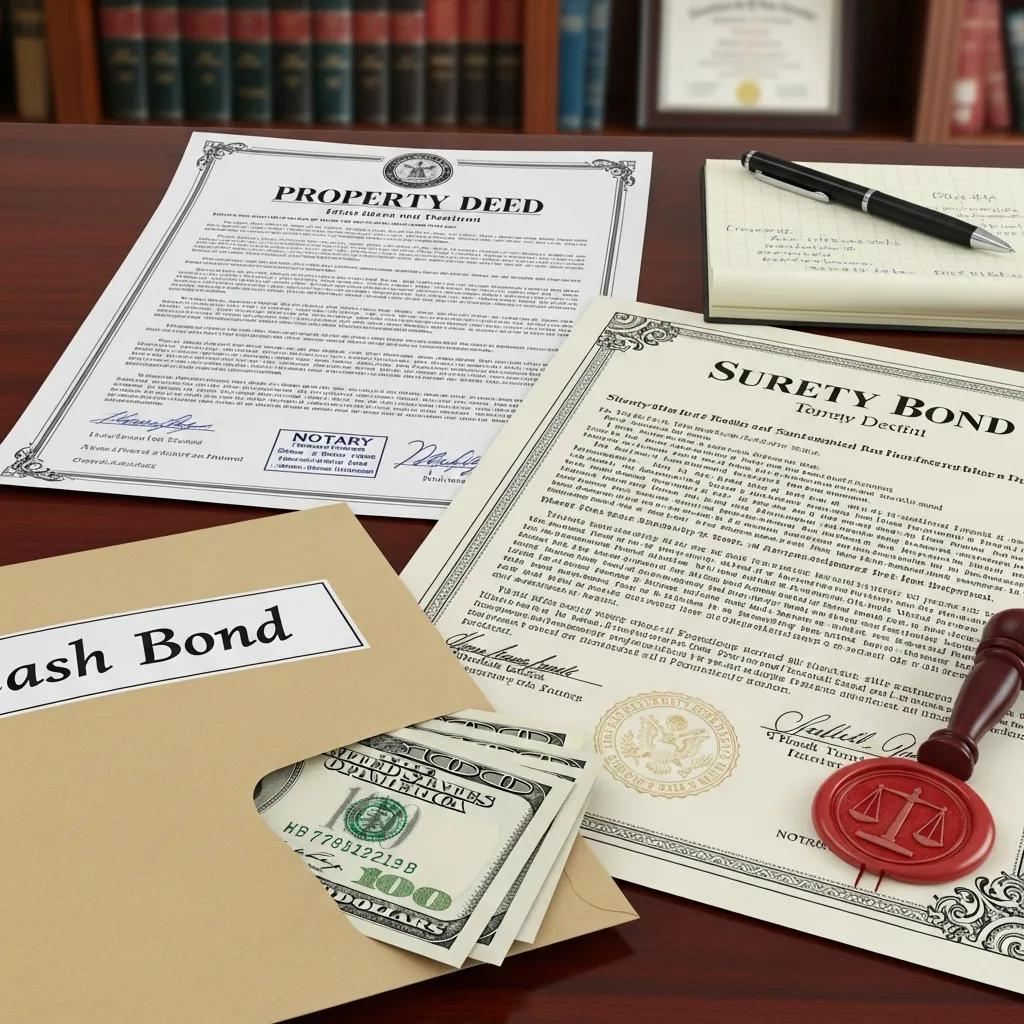
In Cocoa you’ll most commonly see three bond types: cash bonds, surety bonds from a licensed bondsman, and property‑secured bonds when the court accepts real property as collateral. A cash bond requires paying the full bail amount to the clerk or jail and is usually refundable at case end minus administrative fees. A surety bond lets a bondsman guarantee the full amount in exchange for a non‑refundable premium. Property bonds allow posting real estate as security but usually require appraisal and legal documentation. Each option differs in speed, up‑front cost, and long‑term risk — so the right choice depends on the bail amount, how quickly you need release, and whether you can provide collateral or prefer a bondsman to move things faster.
How Does Florida’s Bail System Affect Bail in Brevard County?
Florida law sets the framework for how bail amounts and premium rules apply across the state. Brevard County follows those statutes during arrest booking, bail hearings, and clerk processing. The most important state‑level detail to remember is the premium charged by surety providers — commonly referenced as 10% — which is the non‑refundable fee a licensed bondsman charges for assuming financial responsibility. Local clerks and jail staff record bail information and coordinate release once funds or surety are posted. Brevard County also has day‑to‑day practices — how bail shows up in the booking system, who verifies bonds, and staffing patterns — that affect timing. Knowing how Florida law and Brevard County procedures interact helps families anticipate where delays might happen and what documentation or signatures will be needed at each step.
What Happens During the Arrest and Booking Process in Brevard County?
After an arrest in Cocoa, law enforcement brings the defendant to a Brevard County intake facility where officers complete an incident report, process charges, and begin booking. Booking normally includes identity verification, fingerprinting, a mugshot, a brief health screening, and data entry of charges into the county system. Bail may be set by statute, a magistrate, or a judge depending on the offense, and that amount is entered into the booking record so family or bondsmen can see it. Knowing what information to collect and who to call right away — accurate defendant identifiers, the booking number, and the arresting agency — speeds verification and contact with a bondsman or attorney. Booking can take several hours, and release after bail is posted depends on clerk processing, jail verification, and any holds or detainers that may be present. Brevard County intake facility
What Are the Initial Steps After an Arrest in Cocoa, FL?
If someone you know is arrested in Cocoa, start with these essentials: confirm the defendant’s full legal name and date of birth, note the arresting agency and the approximate time and location, and identify the likely Brevard County booking facility. Use that information to check charges and the bail amount through the county inmate lookup or by calling the jail intake desk — the booking number and correct name spelling prevent wasted phone calls. Then contact a defense attorney if you have one and reach out to a licensed bondsman who can verify the bail, prepare paperwork, and arrange funding. Supplying accurate details on the first call reduces processing errors and speeds the release process once the bond is arranged.
How Does Booking Work at Brevard County Jail?
Brevard County booking follows a set sequence: administrative intake, recording charges and bail, fingerprints and a mugshot, and a short medical and classification screen to determine housing. Once the record is complete, the bail amount appears in the inmate file and is available to family or a bondsman for posting. Clerks check identity and charges before accepting cash or surety. Booking can take multiple hours depending on staffing and workload; after a bond is posted, jail staff must verify the payment or surety and then finish release paperwork, which can add more time. Understanding these verification steps and where delays occur helps families set realistic expectations and follow up appropriately if release stalls.
What Are the Step-by-Step Procedures to Secure Bail in Cocoa?
Securing bail in Cocoa follows a clear sequence from information gathering to bond posting and release. Knowing each step reduces needless delays and clarifies who’s responsible at each moment. The basic flow is: identify the bail amount, contact a bondsman or prepare cash/collateral, complete a bond agreement, post the bond with the clerk or jail, and monitor processing until release. Below is a straightforward, numbered how‑to you can follow during an arrest situation.
- Gather defendant details and booking info: full legal name, date of birth, booking number, arresting agency, and charges.
- Verify the bail amount using the county inmate record or the jail intake desk before arranging payment.
- Decide how to post bail: cash, property, or a surety through a licensed bondsman; have ID and any collateral documents ready.
- Complete the bondsman agreement or clerk bond forms, arrange payment or collateral, and make sure you receive a receipt or bond confirmation.
- Keep in touch with the jail and the bondsman until release paperwork is finished and the defendant is physically released.
Working with a local bondsman often speeds these steps — they can confirm the bail amount, prepare paperwork in advance, and coordinate directly with jail staff to limit processing delays.
How Do You Contact a Bail Bondsman Like A American Bail Bonds?
When you call a licensed bondsman, have the defendant’s full name, date of birth, booking number if available, the arrest location, and the bail amount ready. Telling the bondsman the charges and arresting agency helps them confirm the correct facility. The first call usually verifies identity, confirms bail, and outlines bond options and costs. The bondsman will explain required paperwork, any collateral needs, and the expected timeline to post bond. Many Cocoa bondsmen offer 24/7 response and accept remote paperwork to move quickly after hours, which reduces wait time at the jail. If you contact a specific local service, mention conveniences like online forms and major credit card acceptance to speed payment and processing.
What Information Is Required to Start the Bail Process?
To begin posting bail, bondsmen and clerks commonly ask for the defendant’s full legal name, date of birth, booking or case number, exact charge descriptions, and the set bail amount — accurate IDs prevent misdirected payments. If using a surety bond, the indemnitor (person who signs for the bond) will need government‑issued ID, proof of relationship or authority, and a completed bond agreement outlining obligations. When collateral is required, provide proof of ownership and value such as vehicle titles or property deeds; notarization or valuation may also be necessary. Giving complete information on the first call speeds verification and lets the bondsman prepare forms in advance to avoid extra trips or delays.
How Are Fees Explained and Bail Agreements Signed in Cocoa?
In Florida, surety bonds typically include a non‑refundable premium — commonly calculated at 10% of the bond amount in many cases — plus any allowable administrative charges. The indemnitor should get a written bond agreement that spells out the premium, responsibilities for court appearances, collateral terms if used, and events that can trigger forfeiture. Always read the agreement carefully before signing. Signatures may be taken in person or via secure remote authorization depending on the bondsman and jail policies; bondsmen that use online forms and card processing can reduce the time to post bond. Understanding fees and contract terms up front clarifies short‑term cost versus long‑term risk so families can decide between cash, collateral, or a surety.
What Happens When the Bail Bond Is Posted?
Once the bondsman or payer delivers the payment or surety to the clerk or jail, staff verify the instrument, enter the transaction in the inmate record, and complete release paperwork. The bondsman typically provides a copy of the bond agreement to the clerk. Verification includes checking identity, matching charges, and confirming the bondsman’s license or the cash payment; any mismatch or missing signature can delay processing. The bondsman usually follows up with the jail to confirm acceptance and may handle additional documents for the clerk of court. If holds, detainers, or other legal issues exist, the bondsman will explain next steps. Staying in contact with both the bondsman and jail intake after posting helps catch processing issues early and avoids unnecessary waiting.
How Soon Can You Expect Release from Custody?
Release times after a bond is posted vary with staffing, time of day, and whether there are holds or extra paperwork; a common window is several hours from acceptance to physical release, though waits can be shorter during low‑volume periods. Things that can prolong release include outstanding warrants, medical holds, transfer orders, or clerical errors. To track status, ask the bondsman to confirm acceptance with the jail and request an estimated release time. Have the defendant’s ID and transportation ready so you can pick them up as soon as paperwork is finished. Accurate information at each step and an experienced bondsman handling verification are the best ways to minimize custody time.
How Much Does Bail Cost in Cocoa, FL and What Payment Options Are Available?
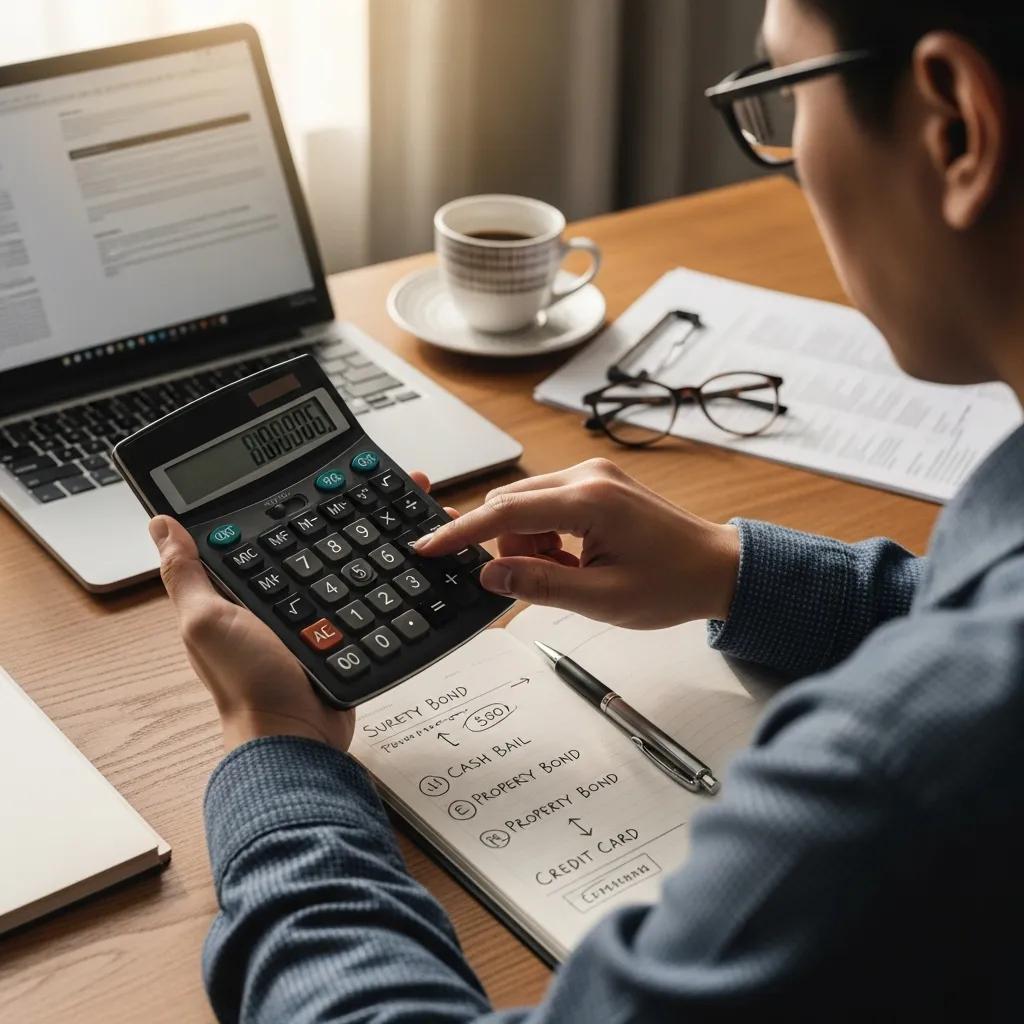
Bail costs depend on the court‑set bond amount and the non‑refundable premium charged by surety providers. Knowing how the premium is calculated and what payment options exist helps families plan. Common payment methods in Cocoa include cash, certified funds where accepted, credit card authorization through licensed bondsmen, and collateral for property‑secured bonds. Some bondsmen offer structured payment plans in qualifying cases. The table below shows sample bail amounts with a 10% premium to give clear, comparable examples commonly used in Florida. After the table we summarize typical collateral types and how local bondsmen may structure flexible payment arrangements.
What Are Florida’s Standard Bail Bond Fees and the 10 Percent Rule?
Florida commonly uses a premium model for surety bonds where the bondsman charges a percentage of the full bail amount as their fee. A practical benchmark is 10%, which helps families estimate costs quickly. For example, a $10,000 bond typically results in a $1,000 premium under the 10% rule; that premium is usually non‑refundable even if the case resolves without conviction. There are exceptions and statutory variations in specific situations, so ask the clerk or a licensed bondsman for clarification. Having the math up front reduces confusion and makes it easier to compare posting cash versus using a bondsman. Make sure any agreed fee and administrative charges are documented in the signed bond agreement.
When Is Collateral Required and What Types Are Accepted?
Collateral is more likely when a bond amount is high or when the indemnitor’s ability to pay is limited. Common collateral forms include vehicle titles, deeds to property, or other high‑value personal assets that can be legally encumbered. Collateral agreements list the asset, valuation method, and terms for release once bond obligations are satisfied; the clerk or bondsman may require proof of ownership and signatures to place a lien or hold. Using collateral reduces immediate cash needs but carries long‑term risk because the asset can be seized if bond conditions are breached. Ask the bondsman for a specific document checklist and appraisal expectations before offering collateral, and get written confirmation of how collateral will be returned when obligations end.
What Flexible Payment Plans Does A American Bail Bonds Offer?
Many local, licensed bondsmen provide practical payment options to help families secure release without full cash on hand. Examples include accepting major credit cards and offering online bond forms to start paperwork remotely. A American Bail Bonds supports 24/7 response, accepts major credit cards, and takes online submissions to streamline after‑hours processing — features that help move a bond forward when time is critical. When payment plans are available, they’re typically part of the bond agreement and may require a down payment plus a written installment plan. Clear terms should be included in the contract so there are no surprises during posting.
What Are Your Legal Rights and Responsibilities During Bail in Cocoa?
Defendants and indemnitors keep core legal protections under Florida law while taking on specific responsibilities tied to the bail agreement. Rights include being informed of charges, access to counsel, and protection against excessive bail. Responsibilities include appearing at all scheduled court dates, following bond conditions, and meeting any indemnitor obligations. Understanding these rights and duties helps avoid common pitfalls — like missed appearances or travel violations — that can lead to bond revocation, extra fees, or warrants. Below is a compact summary of key rights and responsibilities and practical compliance tips.
What Rights Do Defendants Have Under Florida Bail Laws?
Defendants in Florida are protected by constitutional safeguards that include being informed of charges, access to counsel, and review against excessive bail. Practically, this means bail should be proportionate to the offense and flight risk. Defendants can consult an attorney about bail amounts or conditions and may seek adjustments through legal channels. Knowing these rights helps families work with counsel and bondsmen to meet conditions that keep the bond in good standing.
Why Are Court Appearances Critical and What Happens If You Miss Them?
Court appearances are the primary obligation tied to bail. Missing a hearing can trigger serious consequences: bond forfeiture, a bench warrant, and possible revocation of release. If a defendant misses court, the bondsman may have to surrender collateral or pay the full bond amount, and resolving the situation often requires immediate contact with the attorney, bondsman, and clerk. While proactive communication and legal help can sometimes mitigate consequences, the safest approach is to attend every scheduled court date and promptly notify the appropriate parties if an emergency arises. The bondsman can advise on next steps and, if necessary, help arrange an orderly return to custody.
How Can You Stay Compliant with Bail Conditions in Cocoa?
Staying compliant reduces the risk of inadvertent violations: keep an updated calendar of court dates, set reminders, communicate openly with your attorney and bondsman, obey travel restrictions, and respond quickly to court correspondence. Share court dates with an indemnitor or family member and confirm procedures for changing appearance logistics long before the hearing. Many bondsmen offer reminder services and monitoring to help clients remain compliant; using those services adds a practical layer of protection. Staying organized and proactive is the best way to preserve the bond, protect collateral, and avoid complications that slow case resolution.
Why Choose A American Bail Bonds for Bail Services in Cocoa, FL?
A American Bail Bonds is a local resource families rely on when time is critical. We combine practical conveniences that matter after an arrest: Brevard County know‑how, 24/7 availability, online bond forms to start paperwork remotely, and acceptance of major credit cards to speed payment. These service features reduce friction at crucial moments and help coordinate verification and release with local jail and clerk staff. Our familiarity with county booking practices and court workflows can translate into fewer clerical delays and clearer expectations for release timing. For those who need a straightforward path from arrest to release, working with a licensed, locally experienced bondsman can meaningfully shorten the time spent in custody.
How Does 30 Years of Local Experience Benefit You?
Three decades of local experience give our team practical familiarity with Brevard County jails, clerks, and court procedures — knowledge that often creates procedural efficiencies during bond posting. Experienced bondsmen know the documents clerks expect, common intake bottlenecks, and local terminology for charges and housing locations. That familiarity lets us advise families on the fastest acceptable payment methods, likely collateral documentation, and typical administrative timelines, which together shrink the window between posting bond and physical release. For families under stress, those operational efficiencies make the process smoother and faster.
What Makes A American Bail Bonds’ 24/7 Compassionate Support Unique?
Immediate response after an arrest matters. Our 24/7 availability means a licensed professional can start coordinating bail at any hour, reducing overnight holds that happen when people wait for business hours. We focus on clear, calm communication during that first call so families collect the exact information a bondsman needs to act fast — booking number, spelling of the defendant’s name, and arresting agency. Starting paperwork remotely and accepting major credit cards reduces trips to the jail and speeds administrative acceptance when time is short. Those operational conveniences provide tangible relief and help move the process forward when every minute counts. 24/7 bail bondsmen
How Does Their Fast and Efficient Process Expedite Your Release?
A fast, organized bondsman verifies identity, prepares bond paperwork ahead of time, processes payment quickly, and follows up with jail staff to confirm acceptance — compressing several steps into a shorter timeline. By anticipating documentation issues and communicating directly with clerks and intake officers, a local bondsman reduces avoidable delays and helps ensure release paperwork is prioritized once the bond is accepted. Realistic expectations are important — jail verification still takes time — but a prepared professional reduces unknowns and keeps families informed so they can act as soon as release is complete. Choosing a local, responsive bondsman aligns resources with the most time‑sensitive parts of the bail workflow and improves the chances of a prompt release.
- Prepare essential information immediately: full name, DOB, booking number, arresting agency.
- Verify bail amount before payment: check the county record or call jail intake to confirm charges.
- Work with a local licensed bondsman if speed matters: they can submit paperwork and follow up with clerks.
Frequently Asked Questions
What Should You Do If You Can’t Afford Bail?
If you can’t afford bail, consider asking for a bail reduction hearing where a judge may lower the amount based on financial need. Some bail bond companies also offer payment plans or financing that let you pay a portion of the premium upfront. Community organizations or nonprofits sometimes provide assistance as well. Talk with an attorney for advice tailored to your situation and to explore all possible options.
Can Bail Be Revoked After It Has Been Posted?
Yes. Bail can be revoked if the defendant violates release conditions, misses court, or commits new offenses. The bondsman or the court can petition to revoke bail if the defendant is considered a flight risk or otherwise noncompliant. If bail is revoked, the defendant may be taken back into custody and the bond could be forfeited.
What Happens If You Miss a Court Date?
Missing a court date can lead to bond forfeiture and a bench warrant for arrest. If that happens, contact your attorney and your bondsman immediately — they may help file motions to address the warrant or seek relief, but outcomes aren’t guaranteed. Prompt, honest communication gives you the best chance to resolve the issue with minimal additional consequences.
How Can You Ensure Compliance with Bail Conditions?
Stay organized: keep a calendar of court dates, set reminders, and maintain open lines of communication with your bondsman and attorney. Follow travel restrictions and other bond conditions, and respond quickly to court notices. Many bondsmen provide reminder services that add an extra layer of protection against missed appearances.
What Are the Consequences of Bail Forfeiture?
Bail forfeiture happens when a defendant fails to appear or breaks bond conditions. The immediate consequence is loss of the bail amount or the indemnitor’s obligation to cover the bond. The court may also issue a bench warrant, and a bondsman may seek recovery from the indemnitor, which can create serious financial pressure. Avoiding forfeiture through compliance is critical.
Can You Change Your Bail Conditions After Posting?
Yes, but changing bail conditions usually requires a formal court request — typically a motion to modify terms. The court will grant or deny the change based on the reasons and circumstances, such as work travel or a family emergency. Consult your attorney to pursue any modification correctly.
What Should You Do If You Are Arrested While Out on Bail?
If you’re arrested while out on bail, stay calm and contact your attorney and your bondsman as soon as possible. A new arrest can affect your current bail status and may result in revocation. Your attorney and bondsman can advise on next steps and help you navigate the new charges and bail process.
Conclusion
Navigating the bail process in Cocoa, FL becomes easier with clear steps, realistic expectations, and the right local support. Understanding bond types, costs, and procedures lets families move quickly and make informed choices that speed release. Working with a knowledgeable, experienced local bondsman can smooth the way and reduce time spent in custody. For immediate help, reach out to our team at A American Bail Bonds — we’re available to guide you through the process.